The museum officially opened in 2012 and is currently the only museum in the domestic leather goods industry that fully interprets the history and culture of luggage and bags. Since 2015, it has been rated as the "Eighth Batch of Science and Technology Popularization Bases in Guangzhou" and is currently also a science and technology popularization base in Huadu District.
1、 Preface: The Starting Point of the Long Scroll of History (Relief)
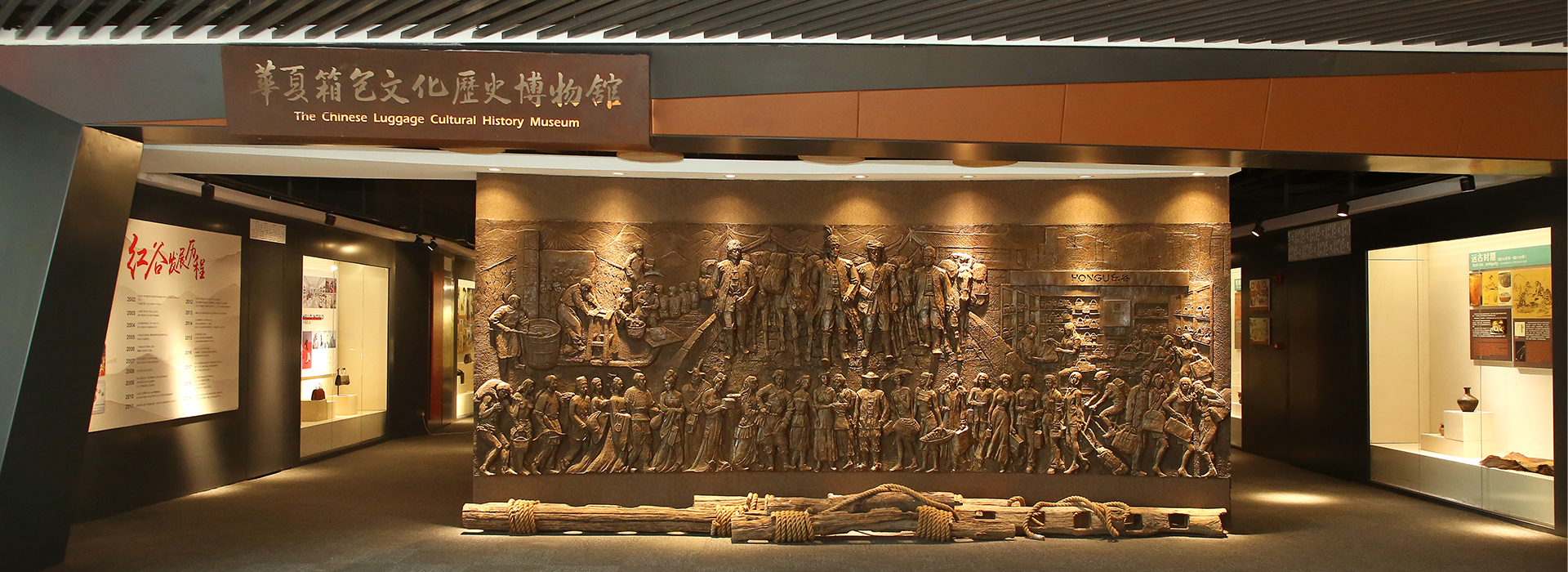
The first relief that catches the eye is the "Preface" of our museum, which condenses the essence of luggage culture and the Red Valley brand:
The following audience showcases the evolution of human clothing and luggage forms from ancient times to modern times.
Core figure - "Ma Guotou": Walking with his head held high is the leader of the horse gang on the Tea Horse Ancient Road. They carried iron pots (named "Maguotou") on their backs and led their cavalry through the steep Tea Horse Ancient Road.
Cultural Link: This ancient road (symbolized by the Qinglong Bridge in relief), especially the transit station Shuhe Ancient Town, is the starting point for the dissemination of leather goods skills. The local leatherworkers repaired leather goods for the caravan, nurturing exquisite leatherworker craftsmanship.
Red Valley Origin: On the right side of Qinglong Bridge, it is the first flagship store opened by Red Valley at the source of brand culture - Shuhe in Lijiang (2007).
2、 Chapter 1: The Millennium Evolution of Chinese Luggage and Bags
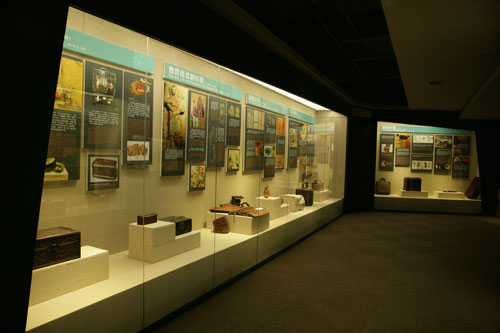
This chapter takes you through the development of luggage from ancient times to the Ming and Qing dynasties, showcasing its profound cultural heritage:
Ancient: (Scene restoration) Humans used bone needles and animal skins to sew clothes, which was the primitive prototype of luggage.
During the Xia, Shang, and Zhou dynasties, bronze and lacquerware were prevalent, and the forms of bags and suitcases were mostly bronze or wooden; Woven 'pu bao' appeared for gifting.
Spring and Autumn Period and Warring States Period: The development of iron smelting promoted weaving techniques, and "si" (bamboo container) became the predecessor of modern boxes; Bags (pouches) and specialized stationery boxes have appeared.
Qin and Han dynasties: Lacquerware craftsmanship reached its first golden age, with a wide variety of "lacquer boxes" subdivided into clothing boxes, dressing boxes, etc.
Wei, Jin, Southern and Northern Dynasties: Wars and turmoil promoted the development of protective leather goods (armor, bow bags, etc.); Establishment of the wearing bag system (men's leather, women's silk).
Sui, Tang, and Five Dynasties: Tourism flourished during the prosperous era, and "convenience bags" became popular; The decorative nature of the sachet (sachet) is highlighted, making it a valuable gift.
Song and Yuan dynasties: Emphasize the functional zoning of containers (such as carrying boxes and mountain trebuchets); The Yuan Dynasty, established by nomadic tribes, widely used "skin bags".
Ming and Qing dynasties: exquisite and detailed production of boxes and utensils; The word 'bundle' is popular due to its homophonic sound of 'bao fu'; The Qing Dynasty opened its doors and introduced modern "suitcases".
Throughout the millennium, every evolution of luggage forms reflects people's relentless pursuit of a better life.
3、 Chapter 2: The 600 Year Legend of Shuhe Leather Craftsman and the Origin of Honggu
Here is the story of Shuhe Pijiang, who is connected to the bloodline of Honggu:
The Boot Lamp Incident (Root Cause): During the Hongwu period of the Ming Dynasty, a royal cobbler was falsely accused of mocking Empress Ma for making exquisite boot lamps. Fortunately, the empress dissuaded him from death and he was exiled to Yunnan.
Tusi Naxian (Rooted in Shuhe): The Naxi Tusi of Lijiang, Mu De, met with Zhu Yuanzhang and was granted this batch of imperial leatherworkers. The cobblers settled in Shuhe at the foot of Yulong Snow Mountain, blending royal craftsmanship with folk techniques to form the "Shuhe School", and thus the "cobbler village" became famous.
A awl to conquer the world "(spiritual symbol): With his craftsmanship, the boatman of Shuhe River followed a caravan through Yunnan and Tibet, and made a living as far as India and Nepal. The proverb 'Wherever crows fly, there are people who tie the river' highlights the breadth of their footprints and the tenacious spirit of craftsmanship.
Anti Japanese War Support (Glorious Moment): In the 1940s, the Tea Horse Ancient Road became the lifeline of the Anti Japanese War. Shuhe Leather Craftsman Village worked day and night to produce a large number of military boots and other leather goods (with a monthly production of up to 70000 pairs) for the front line, supporting the resistance against Japan.
Red Valley Inheritance (New Era): Mr. Deng Shenwei, Chairman of Red Valley Shangpin Group, deeply understands the history of Shuhe, seeks out old craftsmen, excavates and organizes leather cultural relics, builds this museum, and publishes "Lijiang Story - Shuhe Leather Craftsman's 600 Year Legend". Inheriting the 600 year craftsmanship spirit of Shuhe is the core mission and responsibility of Honggu.
4、 Chapter Three: Inclusiveness of the World and Modern Inheritance
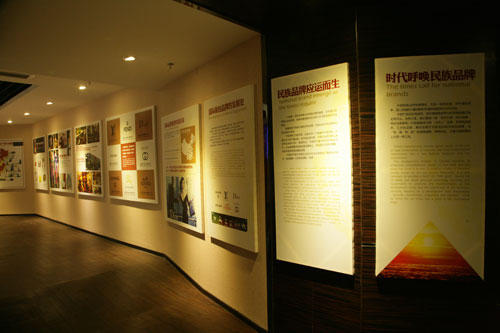
This chapter showcases the diversity of luggage and the innovation of Honggu:
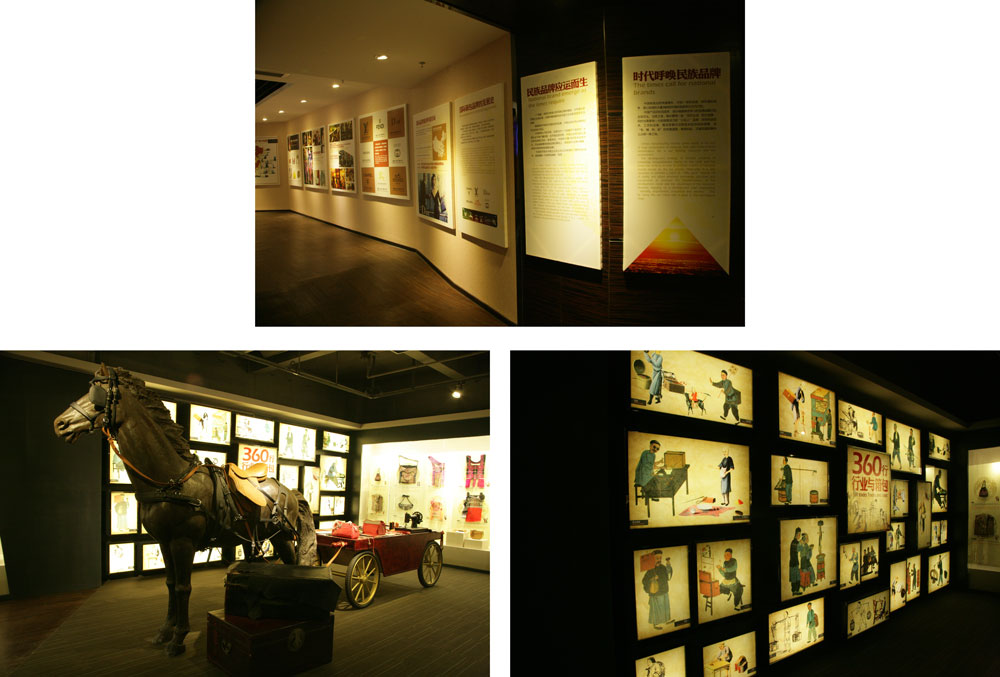
Ethnicity and Industry: The unique luggage patterns of 56 ethnic groups (such as Yi people's exorcism totems and Bai people's auspicious patterns) reflect multiculturalism; The "360 Tour" shadow puppetry showcases the close connection between various industries and luggage.
Bag Art: A concentrated display of ancient women's wisdom crystallization - the bag, with its exquisite embroidery and expressive function, is an important source of inspiration for contemporary leather bag design.
Modern and Contemporary Classics: Showcasing bags and suitcases with the imprint of the times (such as Cultural Revolution handbags and Dior classic styles), reflecting the eternal charm of fashion cycle and classic design. Honggu is committed to creating classic products that evoke emotional resonance.
Innovation, Achievements, and Future Prospects of Honggu:
Deep foundation: Showcasing the first batch of best-selling ethnic style handbags and award-winning masterpieces from Honggu (such as the "Face Mask" and "Flying Sky" series), confirming its design power and market insights.
The pinnacle of craftsmanship: The "Royal Craftsman" series represents top-level handmade leather carvings (environmentally friendly vegetable tanned leather), each of which is an artistic masterpiece that takes over 180 hours of work, inheriting the royal craftsmanship soul of Shuhe.
Craftsmanship benchmark: The "Treasure of Town Hall" 10th Anniversary Commemorative Edition (worth 500000 yuan) combines top-notch leather (A-class caiman crocodile), jade, crystal, and ultimate craftsmanship, showcasing world-class standards.
Brand Evolution: For 20 years, Honggu has adhered to the principle of "precision in craftsmanship and craftsmanship in the heart", and has firmly moved from a national brand to an "international brand operation platform".